Buying in Linden comes with a big decision early in the search: do you want the simplicity of a single-family home, or the income potential of a multifamily property? If you are trying to balance monthly costs, privacy, long-term flexibility, and day-to-day responsibilities, that choice can shape your entire experience as an owner. The good news is that Linden gives you real options, and understanding the local rules can help you choose with confidence. Let’s dive in.
Why this choice matters in Linden
Linden is a mid-density city in Union County with 45,393 residents and 15,463 households across 10.69 square miles. According to Census QuickFacts, 59.5% of homes are owner-occupied, the median owner value is $419,700, the median gross rent is $1,731, and median household income is $92,915.
That mix matters because Linden is not a market where renting is a small side story. For many buyers, especially those looking at a live-in property, rental income can be part of the affordability conversation instead of something only full-time investors consider.
Single-family vs multifamily basics
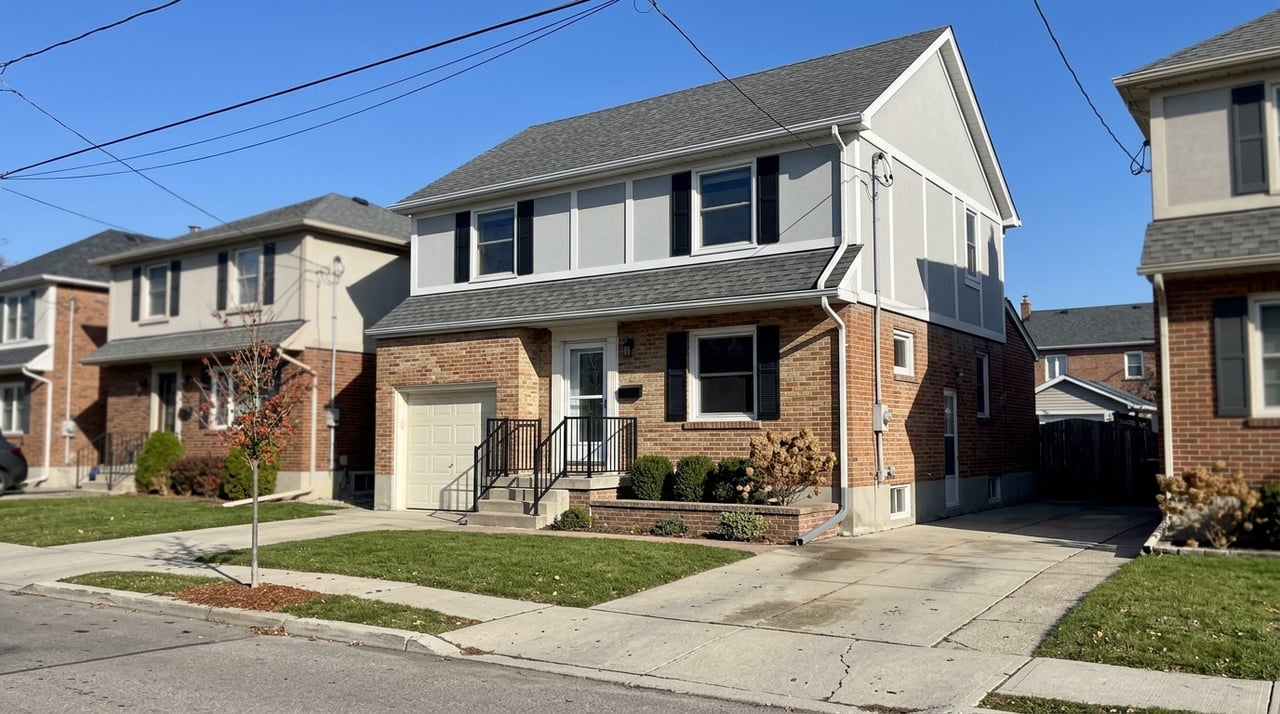
At the simplest level, a single-family home is designed for one household. A multifamily property includes more than one dwelling unit, but in Linden, that category is not one-size-fits-all.
Linden’s zoning code separates single-family, two-family, and apartment districts. The city has R-1a and R-1b single-family districts, R-2a and R-2b two-family districts, and an R-3 apartment district.
That distinction matters because a two-family property is not treated the same as a larger apartment building. Linden’s code defines apartment buildings as structures with five or more dwelling units, so buyers should look closely at the exact property type instead of using the broad label “multifamily.”
What single-family living offers
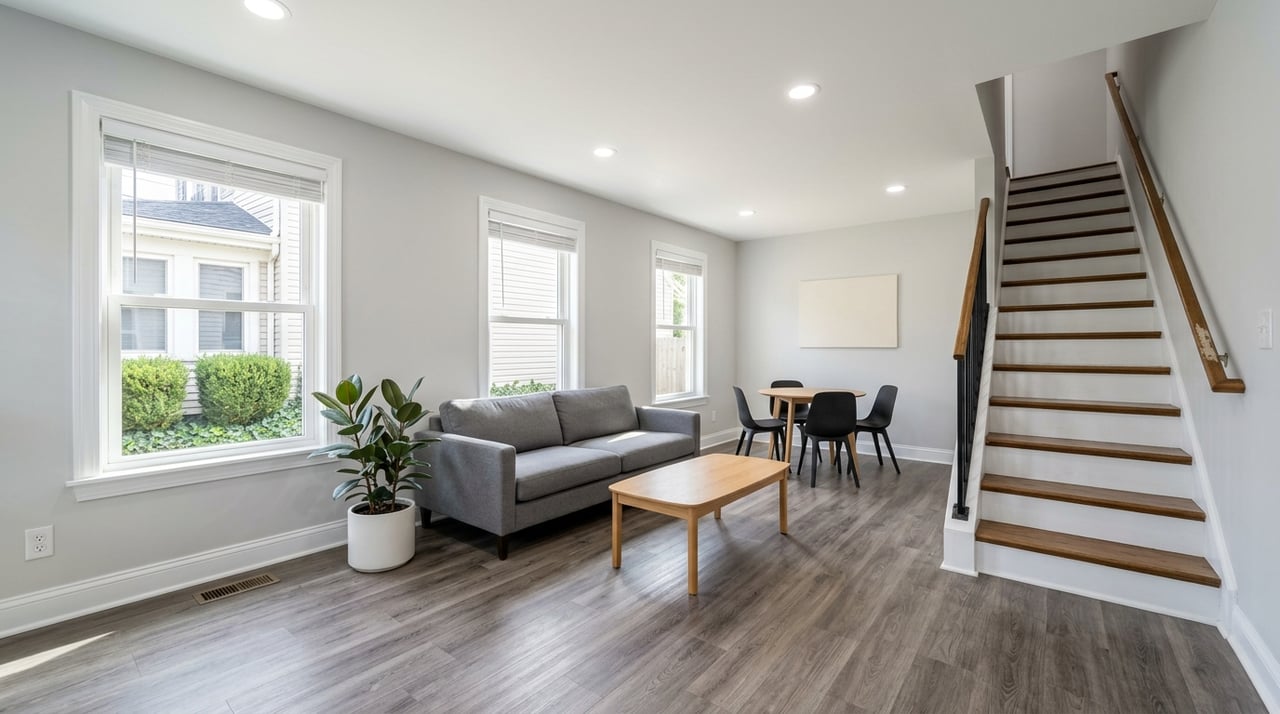
Single-family homes usually appeal to buyers who want more privacy and simpler day-to-day control. You have one dwelling unit, one household, and fewer shared-space issues to think about.
For many buyers, that means a more straightforward ownership experience. You can focus on your own maintenance, your own budget, and your own use of the property without the added layer of managing another household in the building.
Single-family ownership can also feel more predictable if your main goal is to settle in rather than create rental income. If you want a home first and a landlord role never sounded appealing, this option may fit better.
What multifamily living offers
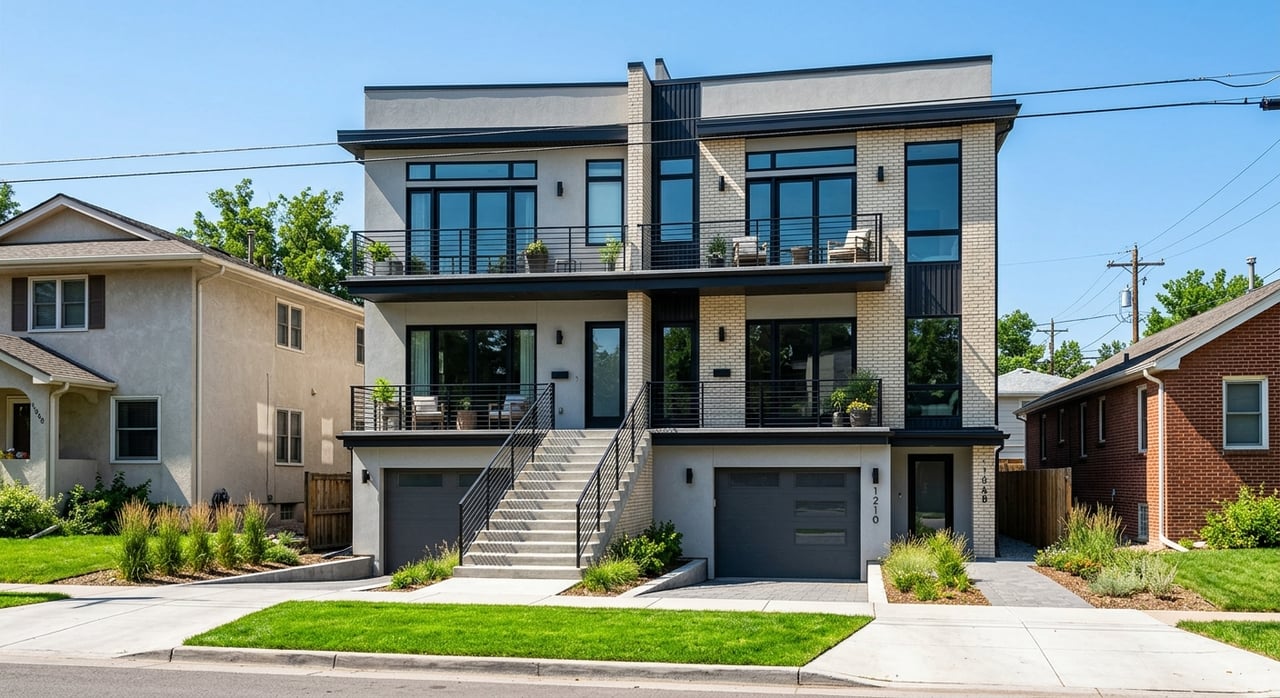
A multifamily property can open the door to rental income, which is one of the biggest reasons buyers consider a two- to four-unit home. If you live in one unit and rent out the others, that income may help offset your monthly housing cost.
In Linden, that idea carries real weight. Census data shows a median gross rent of $1,731, while the median monthly owner cost with a mortgage is $2,842.
That does not mean rent covers everything, and it does not remove the need to qualify for the loan. But it does show why many buyers compare a single-family home against a small multifamily property instead of assuming the cheaper sticker price is always the better financial move.
Privacy and day-to-day tradeoffs
The biggest lifestyle difference usually comes down to how many households share the building. With a single-family home, you generally get more privacy, fewer shared areas, and fewer concerns about another household’s schedule, noise, or routines.
With multifamily ownership, you may gain income potential, but you also take on more shared-space management. That can include handling common areas, addressing repairs that affect more than one unit, and dealing with tenant turnover if you rent part of the property.
Neither option is automatically better. It depends on whether you value privacy and simplicity more, or whether you are comfortable trading some convenience for the chance to improve your monthly budget.
Financing differences buyers should know
For owner-occupants, both single-family and small multifamily properties can be financeable. HUD states that FHA loans are available on one- to four-unit properties and can require a down payment as low as 3.5%.
Fannie Mae also notes that many mortgage options require at least 3% down, though some loan types or lenders may require 5% or more. The exact terms depend on the loan program, lender, and property details.
Where multifamily gets more interesting is rental income. For a primary residence with two to four units, Fannie Mae and Freddie Mac allow qualifying rental income from units you do not occupy when documentation requirements are met.
That said, buyers should be careful not to oversimplify this. Fannie Mae generally does not allow rental income from the unit you occupy in a two- to four-unit property to count as qualifying income, and lenders still expect documentation, reserve planning, and a realistic review of the numbers.
Budgeting for the real cost of multifamily
A small multifamily property can help your budget, but only if you run the numbers honestly. Rent may reduce your out-of-pocket monthly cost, yet you still need to plan for vacancies, repairs, and periods when a unit may not be producing income.
You also need to consider the cost of being a landlord. If a tenant calls with a repair issue, the responsibility is not optional.
New Jersey’s Department of Community Affairs says tenants have a right to safe, sanitary, and decent housing, and residential leases carry an implied warranty of habitability. In practical terms, that means a landlord must maintain the rental unit during the lease and repair vital facilities, while the tenant is responsible for normal wear and tear.
Linden zoning can affect your plan
One of the most important local issues is legality of use. Linden’s zoning ordinance states that no building may be erected, altered, converted, or enlarged unless it conforms to the schedule of limitations.
That means you should never assume a home can be converted for rental use just because the layout seems to allow it. Before you build your budget around an extra unit, verify that the existing setup or proposed conversion is legal under current zoning and property records.
This is especially important if you are comparing a single-family home with a property that looks like it might have extra living space. A finished basement, separate entrance, or older conversion does not automatically mean the use is approved.
Registration and compliance for rentals
If you buy a multifamily property in Linden, compliance needs to be part of your decision from day one. Linden’s rental property registration page says the city’s registration form applies only to buildings with four or fewer dwelling units under one roof.
At the state level, New Jersey DCA says buildings with three or more rental units must comply with regulations for the Maintenance of Hotels and Multiple Dwellings and must be registered with the Bureau of Housing Inspection. The same bulletin says one- and two-unit buildings that are not owner-occupied must comply with applicable local ordinances and register with the municipality.
The state also says an eviction cannot be filed unless the rental property is registered. For buyers thinking about a two-family or other small multifamily property, this is not minor paperwork. It is part of owning the property correctly.
Renovations and permit planning
If your strategy depends on updates, the permit side matters too. Linden’s Construction Code Department says permit work must comply with the New Jersey Uniform Construction Code, and prior zoning approvals must be obtained when applicable before permit applications are submitted.
So if you are planning to renovate, reconfigure space, or improve a unit before renting it, check zoning and permit status early. A smart multifamily purchase starts with verifying what is legal and what approvals may be needed.
This is one reason some buyers prefer single-family homes. Renovations can still require permits, of course, but the ownership plan is often simpler because there is no rental compliance layer tied to the property.
Lease, deposit, and older-home issues
For rental properties, New Jersey requires landlords to distribute the Truth in Renting guide, which is available in English and Spanish. The state also says a security deposit generally cannot exceed one and a half months’ rent.
If the property is older, lead-related rules deserve extra attention. New Jersey DCA says that if a dwelling was built before 1978, contains bedrooms, and is rented for more than 100 days, the landlord must provide the federal lead-paint disclosure and the HUD lead pamphlet.
Linden’s Health Department also posts lead-hazard-related owner and tenant registration and inspection forms. If you are looking at an older multifamily home, this should be part of your due diligence before you count on rental income.
Which option fits you best?
If your top priorities are privacy, easier upkeep, and a simpler ownership experience, a single-family home may be the better fit. It is often the cleaner choice for buyers who want to focus on living in the home rather than operating part of it as a rental property.
If your goal is to offset your payment, build long-term flexibility, or start small as an owner-occupant landlord, a multifamily property may deserve serious attention. In Linden, where rents are meaningful relative to monthly ownership costs, that strategy can make sense for the right buyer.
The key is to look beyond price alone. You want to compare privacy, financing, zoning, registration, repairs, and your own comfort with managing tenants.
A smart move in Linden is not just about finding a property that looks good on paper. It is about choosing the type of home that fits your budget, your lifestyle, and your willingness to take on responsibility.
If you want help comparing single-family and multifamily options in Linden or anywhere nearby in Union County, Christian Torres can help you sort through the numbers, the neighborhoods, and the next steps with clear, local guidance.
FAQs
What is the difference between a single-family and multifamily home in Linden, NJ?
- A single-family home is designed for one household, while multifamily properties include multiple dwelling units. In Linden, zoning treats single-family, two-family, and apartment properties as distinct categories.
Can you use rental income to qualify for a multifamily home loan in Linden, NJ?
- Yes, in some cases. Fannie Mae and Freddie Mac allow qualifying rental income from units you do not occupy in a two- to four-unit primary residence when documentation rules are met.
Does Linden, NJ allow any home to be converted into a rental property?
- No. Linden’s zoning ordinance says buildings must conform to the applicable rules, so buyers should verify whether an existing or planned conversion is legally permitted before relying on rental income.
Do multifamily landlords in Linden, NJ need to register the property?
- Yes, depending on the property type. Linden has local rental registration for certain small properties, and New Jersey also requires registration for buildings with three or more rental units through the Bureau of Housing Inspection.
Is a single-family home easier to manage than a multifamily property in Linden, NJ?
- For many buyers, yes. A single-family home usually offers more privacy and fewer landlord duties, while a multifamily property can provide rent-offset potential but adds maintenance, compliance, and tenant management responsibilities.